

Hantavirus & Rodent Cleanup in Reno and Northern Nevada
Finding evidence of rodents in your home or business can be unsettling. Discovering droppings, urine, nesting material, or dead rodents in an attic, crawl space, garage, shed, or other enclosed area also creates a cleanup problem that should be handled carefully.
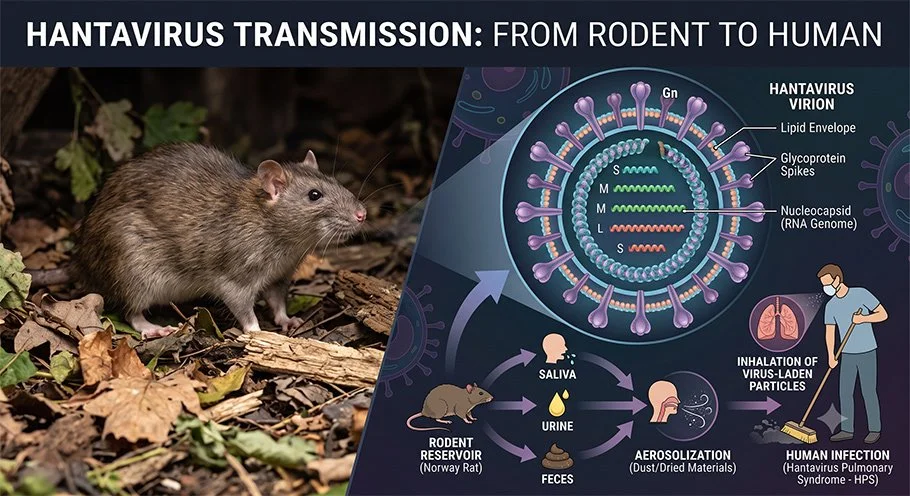
In Northern Nevada, rodent contamination deserves particular attention because certain rodents can carry hantaviruses. People can become exposed when contaminated rodent urine, droppings, saliva, or nesting material is disturbed and infectious particles enter the air.
Sierra Water & Mold Recovery provides professional cleanup services throughout Reno, Sparks, and surrounding Northern Nevada communities. When rodent contamination is widespread, difficult to access, or affecting porous building materials, professional cleanup can help address the contamination without unnecessarily disturbing it.
Why Rodent Droppings Should Not Simply Be Swept or Vacuumed
When homeowners discover mouse or rodent droppings, grabbing a broom or shop vacuum may seem like the obvious solution.
It can be exactly the wrong approach.
The CDC advises against sweeping or vacuuming rodent urine, droppings, or nesting materials before they have been properly disinfected. Dry cleaning methods can disturb contaminated material and allow small particles to become airborne, increasing the potential for inhalation exposure.
That means you should avoid:
Sweeping dry rodent droppings
Vacuuming contaminated areas
Using a shop vacuum on rodent waste
Blowing dust or debris with compressed air
Shaking contaminated nesting material
Disturbing heavily contaminated insulation unnecessarily
For limited contamination, CDC guidance calls for wetting urine and droppings thoroughly with an appropriate disinfectant before removal rather than cleaning them dry. Heavy infestations require additional precautions.
What Is Hantavirus?
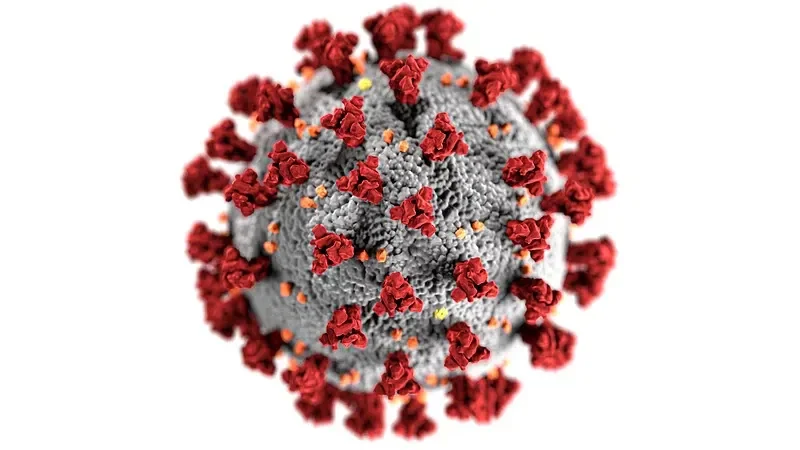
Hantaviruses are a family of viruses carried by certain rodents. In the United States, some hantaviruses can cause hantavirus pulmonary syndrome, or HPS, a serious respiratory illness.
Exposure can occur when fresh rodent urine, droppings, or nesting material containing the virus is disturbed, allowing contaminated particles to enter the air and potentially be inhaled. Exposure can also occur when contaminated material contacts broken skin or the eyes, nose, or mouth.
Finding mouse droppings does not mean someone has been exposed to hantavirus or that the rodents were infected.
The important point is that you cannot determine whether rodent waste presents a hantavirus risk simply by looking at it.
For that reason, appropriate precautions should be used when cleaning areas contaminated by rodents.
Where Rodent Contamination Is Commonly Found
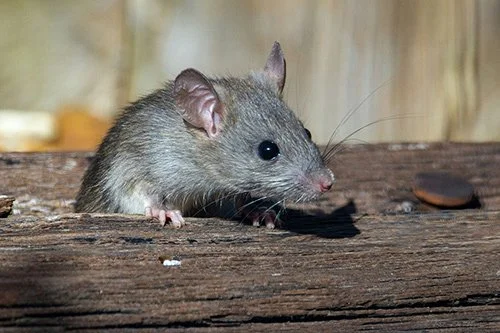
Rodents often enter quiet, protected spaces where they can nest without being disturbed. Some contamination is immediately visible, while other evidence may remain hidden until belongings are moved or renovation work begins.
Common locations include:
Attics
Crawl spaces
Garages
Storage rooms
Sheds and outbuildings
Wall cavities
Cabinets and utility areas
Basements
Vacant properties
Seasonal homes and cabins
Areas containing stored boxes or belongings
Contamination can become more complicated when urine, droppings, or nesting material reaches insulation or other porous materials that cannot simply be wiped clean.
What Does Professional Rodent Contamination Cleanup Involve?
Every property is different, so cleanup should begin by evaluating the affected area and extent of contamination.
Professional rodent cleanup may involve identifying contaminated areas, controlling how material is disturbed, removing affected debris or porous materials when appropriate, cleaning surfaces, disinfecting affected areas, and safely handling contaminated waste.
Depending on the property and severity of the problem, cleanup may include:
Inspection of affected areas
Identification of rodent waste and nesting material
Appropriate personal protective equipment
Controlled removal of contaminated debris
Removal of contaminated insulation when necessary
Cleaning and disinfection of affected surfaces
Handling and disposal of contaminated materials
Attention to difficult-to-access spaces
Final evaluation of the cleaned area
This is different from ordinary housekeeping. The objective isn't simply to make the droppings disappear—it is to address the contaminated environment without unnecessarily spreading material throughout the property.
Rodent Contamination in Attics and Crawl Spaces
Attics and crawl spaces can present particularly difficult cleanup conditions.
These areas may have limited ventilation, restricted access, exposed insulation, accumulated dust, and contamination that has been present for an unknown amount of time.
Rodents can also travel across insulation and structural surfaces, meaning the visible droppings may represent only part of the affected area.
The CDC notes that contaminated exposed insulation may need to be bagged and removed.
Professional assessment becomes especially valuable when contamination is extensive, spread across insulation, located in confined areas, or difficult to remove without disturbing surrounding material.
What Should You Do If You Find Rodent Droppings?
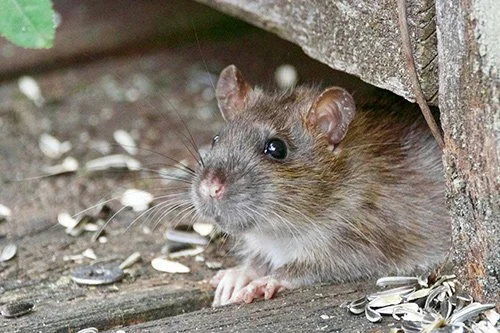
The first priority is not disturbing the contaminated material unnecessarily.
For a small amount of rodent waste, homeowners should follow current CDC cleanup guidance rather than sweeping or vacuuming it.
Current guidance includes ventilating enclosed spaces before cleanup, wearing rubber or plastic gloves, thoroughly wetting contaminated material with an appropriate disinfectant, allowing the required contact time, and wiping the material up rather than removing it dry.
You should consider professional cleanup when:
There is a heavy rodent infestation
Droppings cover a large area
Contamination is inside an attic or crawl space
Insulation has been contaminated
Dead rodents or extensive nesting material are present
Contamination has entered difficult-to-access areas
The property has been vacant for an extended period
You are uncomfortable handling the contamination yourself
The CDC specifically recommends additional precautions for buildings with heavy rodent infestations.
Cleaning Up Is Only Part of the Solution
Removing contamination addresses what rodents left behind.
Preventing them from returning addresses why the problem happened in the first place.
After cleanup, property owners should look for potential entry points and conditions that may attract rodents.
That can include:
Gaps around pipes and utility penetrations
Damaged vents or screens
Openings around foundations
Garage door gaps
Accessible food or pet food
Poorly sealed trash containers
Cluttered storage areas
Vegetation or debris near the structure
Rodent control and exclusion are central to reducing future exposure risk, according to CDC prevention guidance.
Cleanup and prevention work best together: remove the contamination, then address how rodents entered the property.
Why Professional Cleanup Can Be Worth It
A few droppings in an easily accessible location are very different from an attic containing contaminated insulation or a crawl space with evidence of a long-term infestation.
The more extensive the contamination becomes, the harder it is to clean without disturbing contaminated dust and debris.
Professional cleanup is particularly valuable when the job involves confined spaces, large quantities of waste, contaminated building materials, or conditions requiring specialized protective measures.
It also removes an unpleasant burden from the property owner.
You shouldn't have to crawl through an attic or crawl space wondering whether every handful of insulation you're moving contains rodent waste.
Sometimes the sensible solution is simply having someone equipped for the work handle it correctly.
Rodent Cleanup for Homes, Rentals, and Commercial Properties
Rodent contamination isn't limited to occupied homes.
Sierra Water & Mold can assist with contamination discovered in properties such as:
Single-family homes
Rental properties
Vacant homes
Commercial buildings
Storage areas
Garages
Attics
Crawl spaces
Properties being prepared for sale
Buildings undergoing renovation
Landlords, property managers, homeowners, and businesses may discover contamination during inspections, tenant turnover, remodeling, storage cleanup, or after pest-control work has addressed an infestation.
In those situations, removing the rodents is only one part of restoring the affected space. The remaining waste and contaminated material still need to be addressed. Ask about our crawlspace vapor barriers! We don’t just clean the space; we install preventative measures to mitigate and protect from rodent re-entry.
Hantavirus and Rodent Cleanup in Reno, Sparks & Northern Nevada
Rodent droppings may look like an ordinary cleaning problem, but the way they are removed matters.
If you discover significant rodent waste, contaminated insulation, nesting materials, or evidence of a long-term infestation, avoid sweeping or vacuuming the material and unnecessarily disturbing the affected area.
Sierra Water & Mold provides professional rodent contamination cleanup for homes and businesses throughout Reno, Sparks, and Northern Nevada.
Whether the contamination is in an attic, crawl space, garage, storage area, rental property, or other part of the building, our team can evaluate the affected space and help determine the appropriate cleanup approach.
Schedule Professional Rodent Cleanup in Northern Nevada
If you've discovered rodent droppings, nesting material, contaminated insulation, or other evidence of rodent activity, you don't have to tackle the cleanup yourself. Not only can we handle your cleanup, but we can also establish preventative measures to keep them out, including finding the entryways that mice actively use to enter your space.
Contact Sierra Water & Mold to discuss professional hantavirus-conscious rodent cleanup and how we can help provide rodent preventative measures including crawlspace vapor barriers in Reno, Sparks, and surrounding Northern Nevada communities.
Call Sierra Water & Mold at 775-722-5275 to request an evaluation.