

Emergency Water Damage Mitigation in Reno, Sparks & Northern Nevada
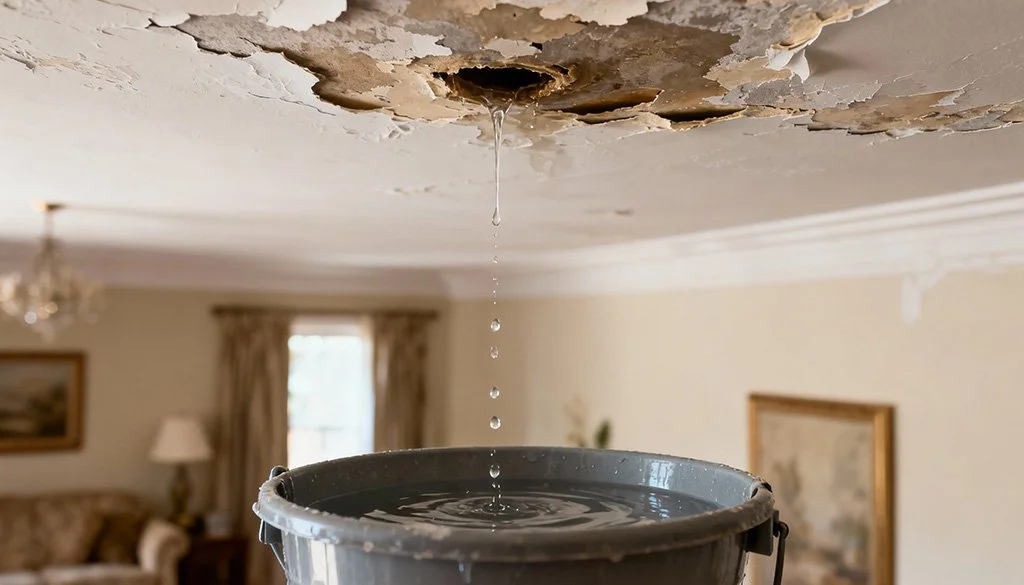
Water damage can happen fast. A burst pipe, leaking appliance, roof leak, overflowing toilet, storm intrusion, or flooded crawl space can leave behind more than visible water. Moisture can move into flooring, drywall, insulation, baseboards, cabinets, and hidden structural materials before a property owner realizes how far the damage has spread.
When water damage happens, fast action matters.
Sierra Water & Mold provides emergency water damage mitigation for homes, businesses, rental properties, and commercial spaces throughout Reno, Sparks, Carson City, and surrounding Northern Nevada communities. Our goal is simple: remove the water, control the moisture, reduce further damage, and help protect the property from mold growth and structural issues
What Is Water Damage Mitigation?
Water damage mitigation is the immediate response process used to reduce damage after unwanted water enters a property. It is different from full reconstruction or cosmetic repair. Mitigation focuses on stopping the spread of water, drying affected materials, and preventing the problem from becoming worse.
A proper water mitigation response may include:
Water extraction from floors, carpets, and affected areas
Moisture inspection and detection
Removal of unsalvageable wet materials
Drying equipment setup
Dehumidification
Air movement
Monitoring moisture levels
Mold prevention steps
Cleaning and sanitizing affected areas when needed
The sooner mitigation begins, the better the chance of reducing long-term damage.
Why Fast Water Removal Matters
Standing water is only part of the problem. Once water enters a building, moisture can continue spreading into porous materials. Carpet padding, drywall, wood framing, cabinets, and insulation can hold moisture even after the surface looks dry.
Delaying water damage mitigation can lead to:
Mold growth
Swollen flooring
Damaged drywall
Warped baseboards
Musty odors
Staining
Structural deterioration
Higher repair costs
Poor indoor air quality
Electrical or safety concerns in affected areas
In many cases, the first 24 to 48 hours are especially important. Quick drying and moisture control can make a major difference in how much of the property can be saved.
Common Causes of Emergency Water Damage
Water damage does not always come from major flooding. Many emergencies begin with everyday systems inside the home or business.
Common causes include:
Burst or leaking pipes
Water heater failures
Washing machine leaks
Dishwasher leaks
Toilet overflows
Sink or bathtub overflows
Roof leaks
Storm-related water intrusion
Basement or crawl space moisture
Broken supply lines
Sewage backups
Fire sprinkler discharge
Commercial plumbing failures
Even a small leak can create a larger problem if water reaches hidden areas. If you see water on the floor, notice damp drywall, smell a musty odor, or hear water running where it should not be, it is worth having the area inspected quickly.
Signs You May Need Emergency Water Damage Mitigation
Not every water problem is obvious at first. Some property owners clean up visible water and assume the issue is resolved, only to discover mold or structural damage later.
You may need professional water damage mitigation if you notice:
Wet carpet or padding
Buckling or warped flooring
Water stains on walls or ceilings
Soft drywall
Peeling paint
Musty odors
Standing water
Damp cabinets or baseboards
Water near electrical areas
Moisture in a crawl space or basement
Recent flooding from plumbing, storms, or appliance failure
If moisture is trapped behind walls or under flooring, household fans and towels are usually not enough. Professional drying equipment and moisture detection help determine whether the affected materials are actually drying properly.
Sierra Water & Mold’s Emergency Mitigation Process
Every water damage situation is different, but the mitigation process usually follows a clear sequence.
1. Inspection and Moisture Assessment
The first step is identifying the source and extent of the damage. Visible water is inspected, and moisture-prone areas are checked to determine how far water may have traveled.
This helps determine what needs to be dried, removed, cleaned, or monitored.
2. Water Extraction
When standing water is present, extraction is often the top priority. Removing water quickly helps reduce saturation and speeds up the drying process.
Water extraction may be needed for carpets, flooring, crawl spaces, basements, commercial spaces, or other affected areas.
3. Material Evaluation
Some materials may be dried in place, while others may need to be removed depending on the water source, contamination level, and severity of saturation.
This may include wet carpet padding, damaged drywall, insulation, baseboards, or other affected materials.
4. Drying and Dehumidification
After water removal, drying equipment is placed to help remove moisture from the structure. Air movers and dehumidifiers are commonly used to dry affected materials and control humidity.
Proper drying is one of the most important parts of preventing mold growth after water damage.
5. Monitoring and Moisture Control
Water damage mitigation is not just about setting up equipment and walking away. Moisture levels should be monitored to confirm the drying process is working.
This helps reduce the risk of hidden moisture remaining behind walls, under flooring, or inside structural materials.
6. Cleaning and Mold Prevention
Depending on the situation, affected areas may need cleaning, sanitizing, odor control, or additional mold prevention steps. When water damage is handled quickly, the risk of mold growth can often be reduced.
Water Damage and Mold Prevention
Mold is one of the biggest concerns after water damage. In the right conditions, mold can begin developing quickly when moisture remains trapped inside a property.
This is why professional water damage mitigation is not only about cleanup. It is also about moisture control.
To reduce mold risk after water damage:
Remove standing water as soon as possible
Do not ignore damp carpet or padding
Check behind baseboards and cabinets
Watch for musty odors
Avoid painting over water stains before drying is complete
Use proper drying equipment
Have moisture levels checked if water reached walls or flooring
Call a mitigation professional when the damage is more than a small surface spill
A property can look dry while still holding moisture underneath the surface. That hidden moisture is often where mold problems begin.
What Property Owners Can Do Right Away
If you discover water damage, there are a few steps you can take while waiting for professional help, as long as the area is safe.
First, stop the water source if possible. Shut off the water supply if a pipe, appliance, or plumbing fixture is leaking. Avoid entering areas where water may be near electrical outlets, appliances, or exposed wiring.
You can remove small items from wet areas, lift furniture legs off wet flooring, and document damage with photos. If water is clean and the area is safe, you may begin removing small amounts of surface water with towels or a wet/dry vacuum.
However, avoid using household fans if the water may be contaminated, and do not pull up flooring or cut drywall unless you know it is safe. Sewer water, floodwater, and long-standing water can create health concerns and should be handled professionally.
When to Call Sierra Water & Mold
You should call for emergency water damage mitigation if water has affected flooring, walls, ceilings, cabinets, crawl spaces, or multiple rooms. You should also call if you are unsure how far the water has spread.
Professional mitigation is especially important when:
Water has been present for several hours or longer
The source is unknown
There is a sewage or toilet overflow
Water has reached drywall or insulation
Carpet padding is soaked
A ceiling leak has occurred
You smell musty odors
You see signs of mold
The property is a rental, business, or commercial space
Insurance documentation may be needed
Fast response can help protect the property and reduce the chance of more expensive repairs later.
Emergency Water Damage Mitigation for Homes and Businesses
Sierra Water & Mold works with residential and commercial properties throughout Northern Nevada. Whether the issue is a plumbing leak in a home, water damage in a rental property, or a commercial space affected by flooding, quick mitigation can help limit downtime and damage.
Water emergencies are stressful, but the right response can make the process more manageable. Removing water, drying affected materials, and controlling moisture early can protect both the building and the people inside it.
Preventative Tips to Reduce Water Damage Risk
Not every water emergency can be prevented, but regular maintenance can reduce risk.
Helpful preventative steps include:
Inspect supply lines under sinks and behind appliances
Replace aging washing machine hoses
Check water heaters for rust, leaks, or pooling water
Keep gutters and downspouts clear
Inspect roofs after storms
Address small leaks immediately
Monitor crawl spaces and basements for moisture
Know where your main water shutoff valve is located
Install leak detectors near water heaters, washing machines, and under sinks
Watch for unexplained increases in your water bill
These steps can help property owners catch small issues before they become emergencies.
Serving Reno, Sparks, Carson City & Northern Nevada
Sierra Water & Mold provides water damage mitigation, water extraction, drying, cleanup, and mold prevention services throughout the region.
Areas We Serve
Sierra Water & Mold Recovery provides equipment rental and restoration-related services throughout Northern Nevada and parts of California, including:
• Reno/Sparks, NV • Spanish Springs, NV • Verdi, NV • Lockwood, NV • Fernley, NV • Fallon, NV • Carson City, NV • Washoe City, NV • Virginia City, NV • Yerington, NV • Glenbrook, NV • Minden, NV • Stagecoach, NV • Stateline, NV • Incline Village, NV • Zephyr Cove, NV • Silver Springs, NV • Dayton, NV • Elko, NV • Ely, NV • Kings Beach, CA • Emerald Bay, CA • South Lake Tahoe, CA
• Tahoe City, CA • Truckee, CA • Tahoma, CA
Need Emergency Water Damage Mitigation?
If your home, business, or rental property has been affected by water damage, do not wait for the problem to spread. Sierra Water & Mold can help with emergency water removal, drying, cleanup, and moisture control throughout Reno, Sparks, Carson City, and surrounding Northern Nevada communities.
Contact Sierra Water & Mold today for emergency water damage mitigation and fast help protecting your property.
Click Here to Schedule an Inspection
Or call us now at (775) 722-5275
Need Rental Equipment For Your Next Project? We Offer Equipment Rentals!
Free Leak Inspections
We’re now offering FREE LEAK INSPECTIONS. Have a leak or just want peace of mind? Reach out to us through the button below or call us at 775-722-5275!