

Sewage Backup Cleanup in Reno: What to Do First
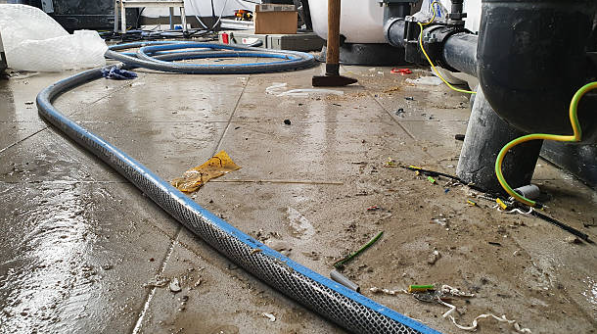
A sewage backup is one of those property emergencies where the first instinct is often to start cleaning immediately.
That instinct is understandable.
It can also put you in direct contact with contaminated water and materials that may contain harmful microorganisms, waste, and other hazards.
Whether sewage enters through a floor drain, toilet, basement, shower, sewer line, or another plumbing fixture, the priority is not simply getting the visible water off the floor. The affected area needs to be made safe, contaminated materials need to be evaluated, moisture needs to be removed, and the structure needs to be dried properly.
Sierra Water & Mold Recovery provides 24/7 sewage cleanup, water mitigation, and property restoration services throughout Reno, Sparks, Verdi, and surrounding Northern Nevada communities.
If sewage has backed up into your home or business, here is what to know before cleanup begins.
Treat Sewage Water as Contaminated
Not every water loss carries the same level of risk.
A small leak from a clean supply line is very different from wastewater backing up through a drain or toilet.
Sewage may contain bacteria, viruses, organic waste, chemicals, and other contaminants. The EPA advises avoiding direct contact with sewage because it may contain harmful pathogens, and contaminated-water cleanup often requires professional help.
That means a sewage backup should not be approached like an ordinary spill.
Avoid:
Walking through contaminated water unnecessarily
Allowing children or pets into the affected area
Handling contaminated carpet, drywall, insulation, or belongings with bare hands
Using an ordinary household vacuum on sewage-contaminated material
Running equipment that could spread contamination into unaffected areas
Assuming that removing visible water means the area is clean
If sewage is actively entering the property, the source also needs to be stopped or corrected before meaningful restoration can proceed.
Keep People and Pets Away From the Affected Area
The safest first step is often the simplest: restrict access.
Keep children, pets, customers, tenants, employees, and anyone who does not need to be involved away from the contaminated area.
Depending on where the backup occurred, that may mean closing a bathroom door, avoiding a basement, restricting access to part of a commercial property, or temporarily leaving the affected space altogether.
If electrical outlets, appliances, extension cords, or other electrical components have been exposed to standing water, avoid entering the area until the electrical hazard has been evaluated safely.
Property damage can be repaired.
A contaminated or electrically unsafe environment is not the place to take unnecessary chances.
Do Not Assume Porous Materials Can Simply Be Wiped Clean
One of the biggest differences between ordinary cleaning and sewage remediation is what happens when contaminated water reaches porous building materials.
Drywall, carpet padding, insulation, particleboard, certain flooring materials, upholstered items, and other absorbent materials can take contaminated water below the visible surface.
The CDC recommends removing drywall and insulation contaminated by sewage or floodwater and discarding materials that cannot be cleaned and dried appropriately. CDC
Depending on the extent of the loss, affected materials may include:
Drywall
Baseboards
Carpet
Carpet padding
Insulation
Laminate or other absorbent flooring components
Cabinet materials
Stored cardboard and paper products
Upholstered furniture
Porous contents
Materials inside wall cavities
The goal is not simply to make the room look dry.
The goal is to identify what has actually been contaminated.
Sewage Cleanup Often Becomes a Water-Damage Job Too
Once wastewater spreads into a room, the contamination is only part of the problem.
The water itself can move into flooring, walls, cabinets, framing, insulation, and adjoining rooms.
That makes moisture detection an important part of sewage cleanup.
A floor may appear dry while moisture remains underneath it. A wall may look intact even though the lower portion has absorbed water. Water may also travel beneath baseboards or into materials outside the immediately visible spill area.
Sierra Water & Mold Recovery uses professional drying and moisture-detection equipment as part of its water mitigation work, including industrial dehumidification, air-moving equipment, air scrubbers, and moisture meters.
After contaminated water and affected materials have been addressed, the remaining structure still needs to be dried.
That drying stage helps reduce the risk of secondary damage and creates a better environment for subsequent repairs.
Why Fast Drying Matters After a Sewage Backup
Moisture does not stop causing problems once the plumbing issue has been corrected.
Water that remains inside building materials can contribute to swelling, deterioration, staining, odors, and conditions that support mold growth.
EPA guidance notes that mold can develop after water damage when materials remain wet, and contaminated-water losses are specifically situations where professional remediation may be appropriate.
Warning signs that moisture may still be present include:
Swollen baseboards
Soft drywall
Warped flooring
Peeling paint
Persistent dampness
Musty odors
Elevated indoor humidity
Staining that continues to change
Cabinet materials that feel soft or swollen
Odors that return after surface cleaning
These signs do not necessarily tell you exactly where moisture remains, but they are good reasons to investigate further.
A Sewage Backup Can Lead to Mold Problems
Sewage contamination and mold remediation are separate problems, but one can create conditions for the other.
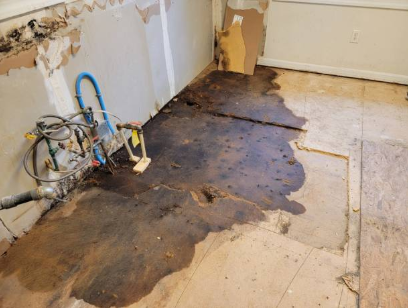
If building materials remain damp after a backup, mold may begin growing on materials that provide both moisture and an organic food source.
That is especially important in hidden areas such as:
Behind drywall
Beneath flooring
Inside cabinets
Beneath carpet or padding
Inside wall cavities
Around baseboards
In crawl spaces
Inside insulation
Sierra Water & Mold also provides professional mold remediation when mold growth is discovered during or after a moisture-related loss.
The better approach, whenever possible, is to remove contaminated water, identify wet materials, and dry the structure before a secondary mold problem has time to develop.
What Professional Sewage Cleanup Involves
Every property loss is different, so there is no single cleanup procedure that applies to every sewage backup.
The response generally begins by identifying the affected area and determining how far the water and contamination have spread.
Professional remediation may involve:
Inspecting the affected area
Identifying contaminated materials
Restricting or containing the work area
Removing standing water
Removing materials that cannot be adequately cleaned or restored
Cleaning and treating appropriate surfaces
Using professional air filtration or air-scrubbing equipment where needed
Measuring moisture in surrounding materials
Drying the remaining structure
Monitoring drying progress
Evaluating whether additional water or mold remediation is needed
Sierra Water & Mold Recovery provides dedicated sewage cleanup and basement flooding services and is available 24/7 for emergency restoration work throughout the region.
What About Belongings Exposed to Sewage?
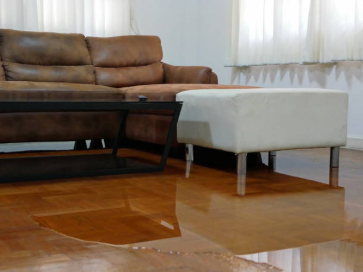
After a backup, homeowners often want to know whether furniture, stored belongings, clothing, or other contents can be saved.
The answer depends heavily on the material and the degree of contamination.
Hard, nonporous items may sometimes be cleaned and disinfected appropriately.
Highly porous materials can be much more difficult to restore after direct sewage exposure.
Before throwing away large quantities of property, particularly during an insured loss, document the affected items with photographs or video when it is safe to do so.
Your insurance carrier may also have specific requirements for documenting damaged contents.
Sierra Water & Mold works with insurance providers during restoration projects, but individual coverage varies by policy and carrier. Property owners should contact their insurer directly regarding coverage requirements, deductibles, documentation, and claim decisions.
Find the Cause Before Calling the Cleanup Complete
Cleaning the affected area does not solve the problem if the source of the backup remains unresolved.
A sewage backup can be associated with several different conditions, including:
Blocked drains or sewer lines
Plumbing failures
Main sewer problems
Septic-system issues
Heavy rainfall or flooding
Damaged wastewater infrastructure
Other drainage problems
The restoration company addresses the contamination and property damage.
The underlying plumbing, sewer, or septic problem may also need to be evaluated and corrected by the appropriate professional.
Otherwise, the property remains vulnerable to another backup.
Sewage Backup in a Basement Requires Special Attention
Basements can make sewage and water losses particularly difficult because contaminated water may spread across large floor areas and reach walls, stored belongings, mechanical equipment, flooring systems, and finished living spaces.
Water can also move through cracks, joints, and concealed areas that are difficult to evaluate visually.
For finished basements, moisture may be hiding behind:
Drywall
Framing
Baseboards
Flooring
Built-in cabinetry
Insulation
For unfinished areas, stored belongings and porous contents may still create significant cleanup work even when structural materials are more exposed.
Sierra Water & Mold's sewage service specifically includes flooded-basement response and moisture inspection throughout affected materials. Sierra Water & Mold Recovery
Document the Damage Before Major Cleanup
When conditions are safe, take photographs or video before substantial cleanup begins.
Useful documentation may include:
The source or location where sewage entered
Standing water
Affected flooring
Damaged walls and baseboards
Contaminated furniture
Stored belongings
Visible waste or debris
Adjacent rooms
Water lines or staining
Any emergency work already performed
Keep invoices and receipts for emergency services and temporary measures.
Just as with other restoration losses, documentation may become useful when communicating with an insurance carrier or property manager.
Sewage Cleanup for Rental and Commercial Properties
Sewage backups are not limited to private homes.
Apartment buildings, rental properties, offices, retail spaces, commercial buildings, and other facilities can experience wastewater contamination as well.
Commercial and rental situations can become especially complicated because the affected area may need to be isolated while tenants, customers, or employees are kept away.
Prompt cleanup can help:
Limit the contaminated area
Reduce additional water damage
Protect unaffected portions of the property
Establish documentation of the loss
Begin drying sooner
Prepare the property for necessary repairs
Sierra Water & Mold Recovery provides both residential and commercial restoration services throughout Northern Nevada.
Do Not Let a Sewage Backup Become a Larger Property Loss
A sewage backup is unpleasant enough on the day it happens.
The situation becomes much more difficult when contaminated water remains inside building materials, moisture spreads into adjoining areas, or mold begins developing afterward.
The priorities are straightforward:
Stop the source when it can be done safely.
Keep people and pets away from the contaminated area.
Avoid unnecessary contact with sewage.
Document visible damage.
Remove contaminated water and affected materials appropriately.
Dry the remaining structure.
Then verify that the original plumbing or wastewater problem has been corrected.
24/7 Sewage Backup Cleanup in Reno, Sparks & Northern Nevada
If sewage has backed up into your home, rental property, business, basement, or other part of your building, Sierra Water & Mold Recovery provides 24/7 emergency sewage cleanup and water mitigation throughout Reno, Sparks, Verdi, and surrounding Northern Nevada communities.
The company provides sewage recovery, water extraction, structural drying, moisture inspection, mold remediation, biohazard cleanup, emergency board-ups, and other property-restoration services.
Sierra Water & Mold Recovery is licensed, insured, bonded, and certified and serves residential and commercial properties throughout the Reno/Tahoe region.
If you are dealing with a sewage backup now, call 775-722-5275 for 24/7 assistance or contact Sierra Water & Mold Recovery.